




Category Archives: Contributed
Green Vehicle Company Unveils 100% Electric Police Utility Terrain Vehicle
 Many law enforcement and public safety patrol units already use utility terrain vehicles (UTVs) as a way to save money on gas — and help save the environment, too. But a new police-oriented UTV in development could take those savings to a whole new level.
The Xtreme Green Electric Vehicles company showcased their new XFORCE PRO UTV at the International Association of Chiefs of Police (IACP) 2016 Expo last week in San Diego. The booth also featured several other all-electric personal vehicles and small all-terrain vehicles.
“This new vehicle here will do anything that a gas vehicle will do,” Neil Roth, chief operating officer of Xtreme Green Electric Vehicles, said of the XFORCE PRO UTV. “The exciting part is that if you replace a gas version of this with ours, you’ll reduce carbon emissions by 10 times. The gas versions of this are four-by-fours with no catalytic converters to protect the environment.”
The XFORCE PRO UTV also features a heavy-duty break system, a full-color center console and instrument panel, power steering, and independent suspension for off-roading. And it does it all on a lithium ion phosphate battery — no gas required.
“Obviously, there’s also a smell and a noise factor,” Roth admitted. “But the real reason to go into electric is that it makes sense from a financial point of view.”
Roth estimates that for every $1,000 of gas spent on a regular vehicle, his UTVs cost only $10 to run. The XFORCE PRO UTV can get up to 60 miles on a single charge, though the company also offers larger battery options that offer up to 100 miles per charge. Full charges take only a few hours, depending on size and voltage — much like how the iPhone 6 takes 50 minutes to charge with a 12-watt USB power adapter, but the iPhone 6 Plus takes 2.5 hours. And because the UTV’s batteries are lithium, charges can be topped off while only half-full without depleting the battery life.
Xtreme Green Electric Vehicles also makes small electric vehicles catered to military, mining, and Fire/EMS industries. Roth started the company out of his garage in 2005, and now employs about two dozen workers at his Las Vegas manufacturing facility.
Rich Parents Use Charity Funds to Pay for Their Kids Ski Trips
Some rich parents in the United Kingdom have received millions of dollars in taxpayers’ money to help fund ski trips for their children.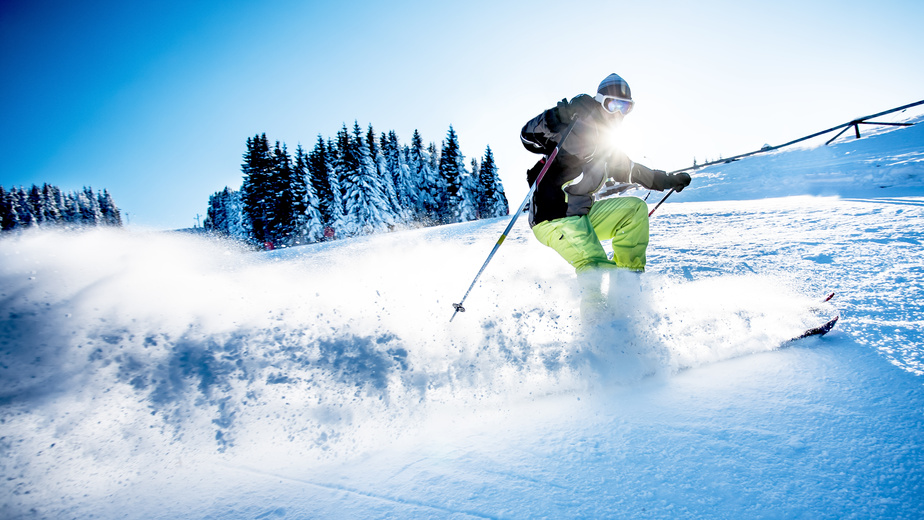
According to the Daily Mail, these rich parents exploited the Government’s Gift Aid program, which is designed to top off charitable donations by creating “bespoke” funds to pay for ski trips to luxury resorts and pay for equipment and other ski expenses.
In the U.S., more than 14.3 million tons of donated textiles help clothe people and families across the world. But this charity focused more on paying for luxury ski trips for well-off families rather than provide assistance to those in need.
“It’s shocking that a well-intentioned tax relief has been used this way,” said Margaret Hodge, Labor MP.
Two prominent members of the charity, although they do not oversee day-to-day activities, are property developer Sir John Ritblat and Margaret Thatcher’s former Sports Minister Lord Moynihan.
“This has been an open secret in the skiing community for years,” a source told the Daily Mail. “A lot of these are privately educated children from wealthy parents who have been exploiting the system for financial gain.”
Across the Atlantic Ocean, other scams perhaps aren’t as high profile, but are still affecting vulnerable people.
The Ledger reports that the Polk Sheriff’s Office in Orlando, Florida announced the arrest of an Internet con artist who was connected to a banking scam in Polk County.
Robert Ratkovic was arrested during the summer and charged with grand theft, money laundering, and fraud. Ratkovic was part of a $1.2 million scam.
“If somebody’s trying to give you money who you don’t know, it’s too good to be true,” said Sheriff Grady Judd at a news conference addressing the recent online scams. “If you want to give your money away, pick your favorite charity and watch your money at work. Don’t give it to criminals.”
Despite New Study, Monster Renews Sponsorship Deal With MotoGP
Monster Energy will remain a prominent sponsor of various motor sporting events over the next few years. After a renewal agreement with Dorna Sports, Monster Energy will at least be a motorsports sponsor for three years.
“MotoGP is what Monster Energy is all about,” said Rodney Sacks, CEO of Monster Beverage. “Speed, unreal skill, and keeping the throttle open a little bit longer than the other guys. In other words living life on the edge. Our athletes who compete for us in all three MotoGP classifications speak for us. And nowhere do they speak louder than on the global stage that is MotoGP. The best riders, the best teams, the best circuits and the best events in the world. We are very proud to be a part of it.”
According to RoadRacing World, Monster has helped many Dorna Sports riders over the years gain notoriety thanks to their largely successful brand.
Monster Energy started in the early 2000s and has significantly grown since then, especially in the extreme and motorsports industries.
Despite the brand loyalty, there have been a few documented negatives about Monster and other energy drinks. Monster, Rockstar, and Red Bull are actually twice as likely to result in tooth enamel loss in comparison to Gatorade, Powerade, and Propel.
Another — perhaps strange — negative regarding Monster and energy drinks is their recent correlation with drunk driving.
ARS Technica reports that highly caffeinated beverages like energy drinks have been linked to drunk driving, even when no actual traces of alcohol were reported.
“The results shed light on the complexity of the relationship between energy drink consumption patterns and important public health problem: drunk driving,” said Amelia Arria, a public health researcher at the University of Maryland.
After a six-year study examining 1,000 college students, researchers found that the more non-alcoholic energy drinks a person consumed, the more likely they were to drive drunk. The study was published in Alcoholism: Clinical and Experimental Research.
Snowmobile Safety: Don’t Drink and Ride
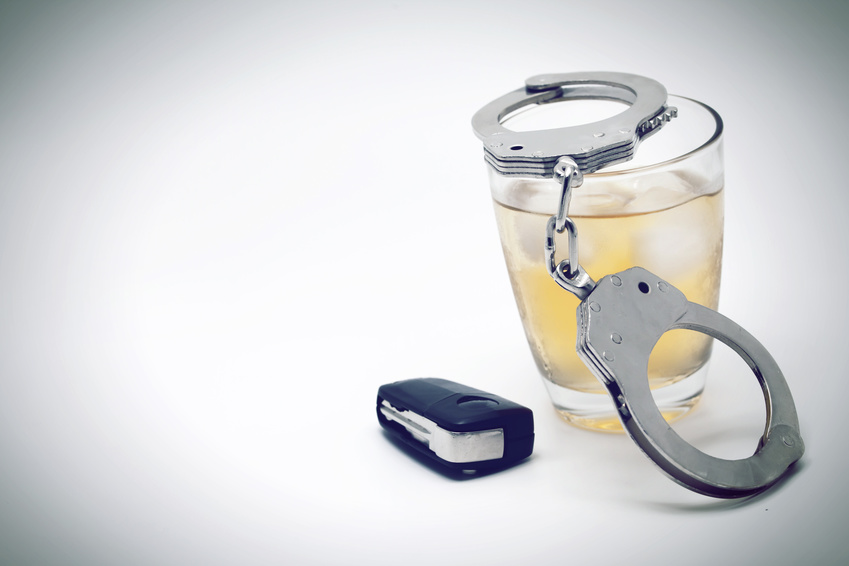 Snowmobile trail season is fast approaching in many parts of the country, and with it, the time to enjoy winter “recreation” of all kinds. But before you order a beer at the restaurant or accept a drink with friends before a ride, think twice about alcohol and snowmobile safety.
Alcohol is the number-one drug problem in the U.S., not least of all because of the ways it impairs a driver’s ability to properly react to the dangers of the road or the trail. While drinking and driving laws for cars and other road vehicles are well established in most states, the rules and repercussions of operating a snowmobile under the influence are often less defined or universal.
In Minnesota and Michigan, for instance, if you are caught driving a snowmobile with a blood alcohol content level higher than 0.08%, those violations can be tied into your driving record. You can be charged with a misdemeanor or criminal felony, depending on where you are and your level of intoxication.
However, many local and state snowmobile associations promote a voluntary “zero-tolerance” policy for drinking and riding. Drivers can take a pledge not to consume any alcohol until they’re done riding for the day as a way to encourage safety on the trails.
“We can dance around the subject all we want, we can say ‘know when to say when’ or other campaigns, but bottom line is that there is only one safe stance to take,” said Michigan Snowmobile Association executive director Bill Manson.
Alcohol was a factor in 38% of fatal snowmobile accidents in Michigan in the 2007-2008 season, which is actually a relatively low number compared to other areas. In Minnesota that same year, alcohol was involved in 44% of snowmobile fatalities, and in Wisconsin, 64%.
Along with your own safety, riding sober helps protect other people on the trails. Few will forget the terrible incident earlier this year at the Iditarod race in Alaska, in which a heavily intoxicated snowmobiler crashed into a sled team and killed one of the dogs.
Stricter laws on alcohol and snowmobiles “would be a good way to increase safety and enjoyment,” said Gary Eddy of the Wisconsin Bureau of Law Enforcement in the Department of Natural Resources. “We will start seeing an increase of families out there snowmobiling. Every season, we hear that people won’t ride at night or on weekends because drunks and crazies are on the trail. It’s a terrible thing to hear that people are afraid to be on public trails.”


